
Define the approval question
Deinking residuals should be described by their actual solids and treatment history, not simply grouped with every paper-mill sludge. The useful emulsion profile must be demonstrated against the current residual stream and the machine that handles it.
Identify the product code, representative sludge and operating constraint before requesting a commercial commitment.
Characterize the residual stream
Identify deinking solids, fiber and filler context, ash where available, solids concentration and flotation or coagulation carryover. Record any biological-sludge blending and production-grade changes. The paper-mill application file sets the overall route.
Keep sample collection tied to a known operating state. A sample collected from a different residual source can make a precise-looking supplier comparison irrelevant to the intended purchase.
Compare drainage and fines retention
Prepare samples consistently and apply a controlled active-dose range. Track filtrate solids beside drainage and compaction. Retain the incumbent as a reference, particularly when the mill feed changes during sample evaluation.
Fast first drainage is not enough if a candidate loses fines or produces a layer that seals under pressure. Preserve those failed conditions in the comparison record.
Approve the production operating window
Measure release, cake, wash demand and throughput on the actual machine. Hold unrelated mechanical settings fixed initially and document subsequent tuning separately. Connect the accepted code and method to the proposed delivered product.
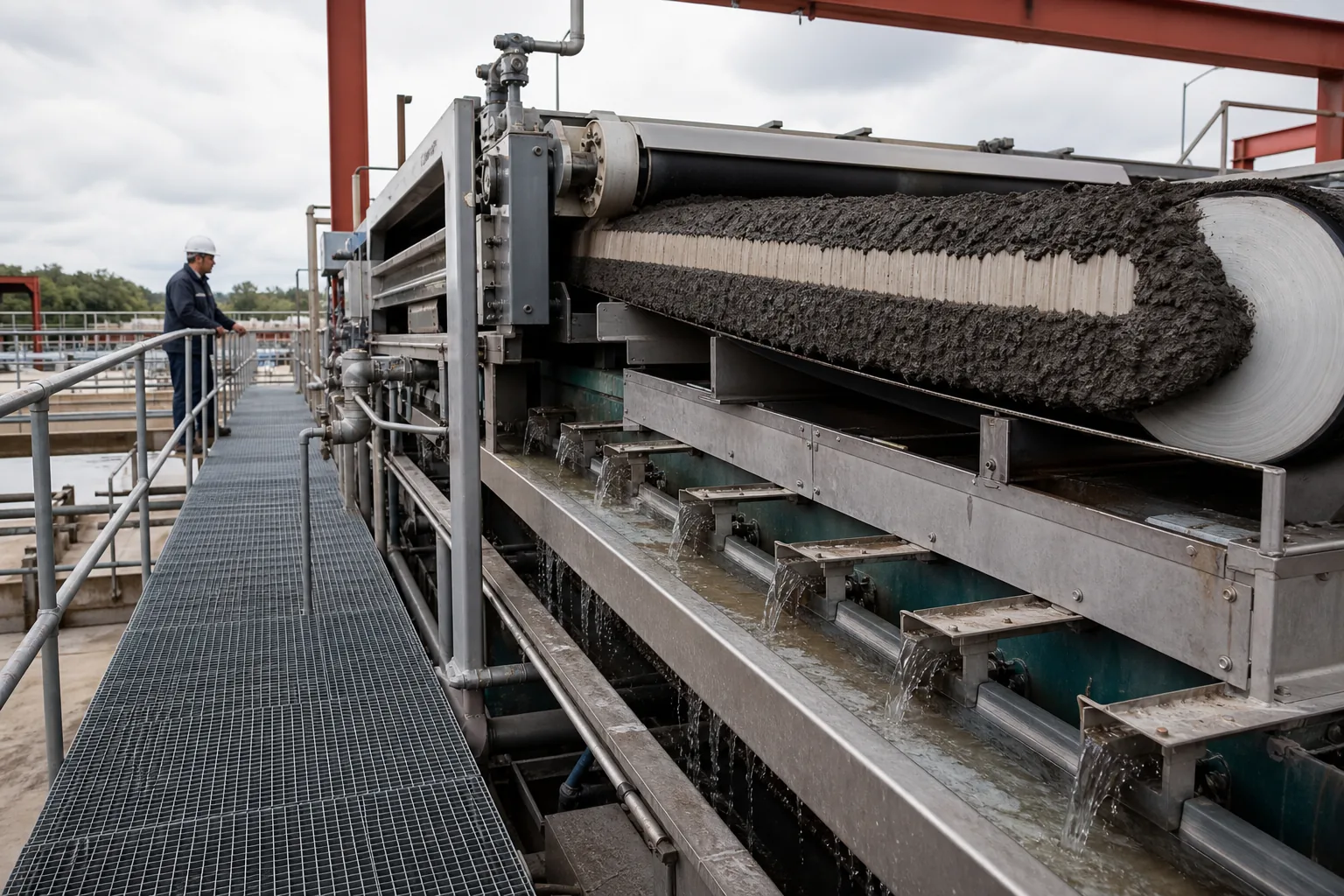
Use zone-by-zone press observations to separate grade limitations from cloth or wash problems before rejecting a delivery or raising routine dose.
Challenge a favorable comparison
A candidate tested on a fiber-richer feed may show attractive release that disappears when filler or fine residual content rises. Recheck the relevant production condition before accepting one sample result as a mill-wide supply specification.
Record the unresolved boundary with the trial result. An expected operating benefit is not a measured saving or an unrestricted product guarantee.
Keep the acceptance record
| Buying check | Evidence | Acceptance limit |
|---|---|---|
| Identity | Residual source and blend | Correct stream represented |
| Bench | Drainage and fines retention | No fast-drainage shortcut |
| Plant | Release, wash and throughput | Machine window accepted |
Retain sample identity, measured preparation conditions and synchronized feed and outlet results. Use the record to distinguish an agreed product change from a change in sludge or equipment.
Prepare the supplier brief
Send deinking source details, filler and fiber context, solids, companion chemicals, dewatering equipment and current symptoms. Request samples with a defined comparison purpose and an identified production code.
Send the evidence through the cationic emulsion sample and RFQ form. Confirm the offered code, availability, packaging and document scope with Gongyi Xinqi Polymer Co., Ltd. before ordering.