
Define the approval question
For an MBR plant, distinguish waste-sludge dewatering from chemical addition inside the membrane process. A cationic emulsion recommendation for conditioned sludge does not authorize direct use in a membrane system or establish compatibility with every returned liquid stream.
Identify the product code, representative sludge and operating constraint before requesting a commercial commitment.
Define the treatment boundary
State where waste sludge is withdrawn, stored, thickened and conditioned. Identify the actual dewatering feed and any blending. The industrial biological sludge file helps organize the process information without assuming the reactor name selects a grade.
Record where filtrate or centrate returns and which plant team approves that return. Keep membrane-process chemical permissions separate from the polymer purchasing recommendation.
Screen the real waste sludge
Use current feed with a reference product and controlled activation. Compare a justified charge bracket and measured dose range. Preserve solids, conductivity, sample age and any upstream chemical addition with the test record.
Do not rebuild the sludge using clean water solely to obtain an easier laboratory comparison; altered water and concentration can change what the screen represents.
Approve dewatering and return handling
Measure machine capture, cake, throughput and practical stability. Include return-liquor measurements required by the plant and assess the proposed operating change through the responsible process team. The active-dose basis keeps consumption comparable.
No generic cationic family name proves compatibility with a sensitive downstream process. Retain the actual approval boundary and required monitoring in the supply record.
Challenge a favorable comparison
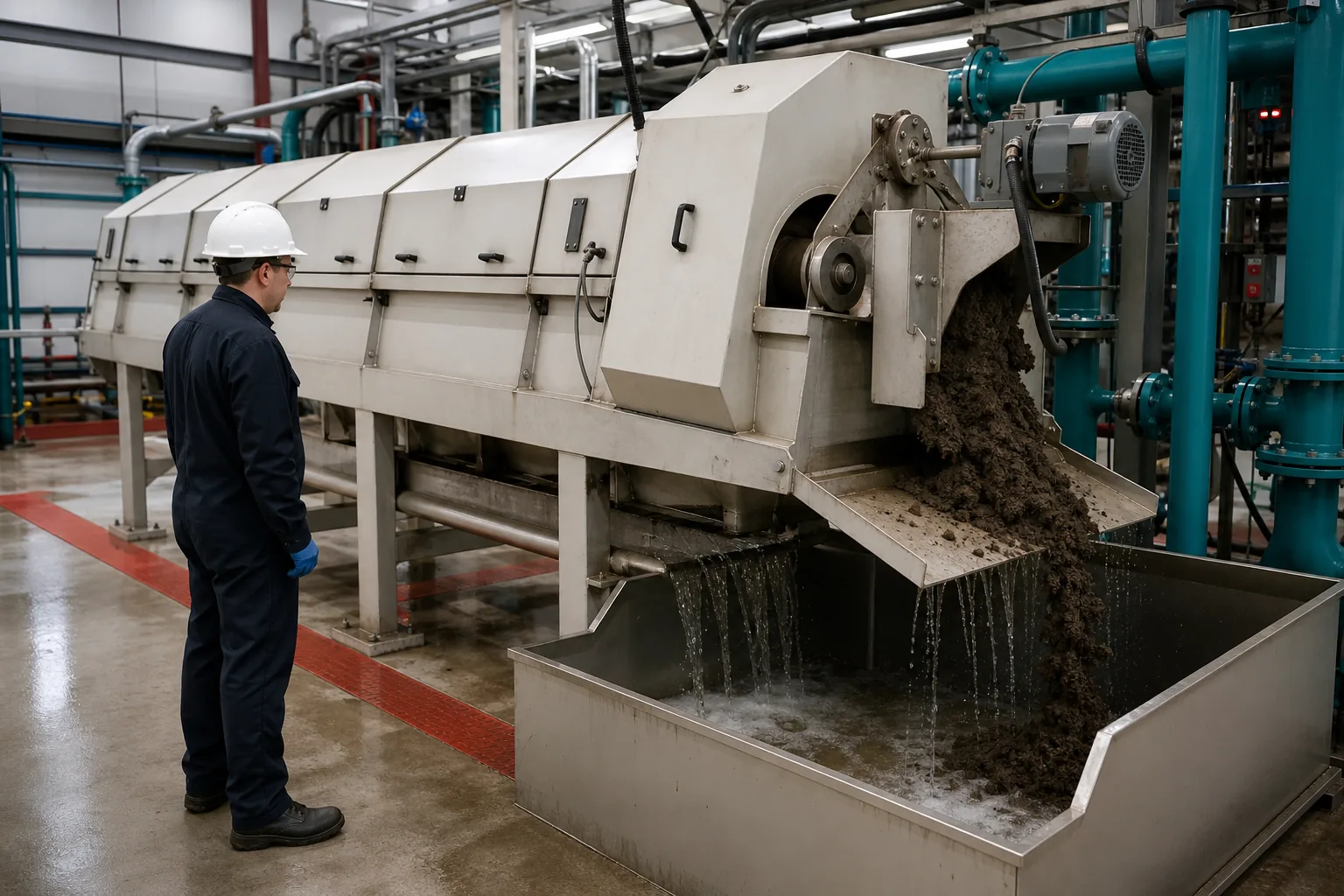
A successful screw-press run is not evidence that neat emulsion may be added upstream of membranes. Keep the demonstrated sludge-conditioning use and any separate process-compatibility review distinct when issuing the order and operator instructions.
Record the unresolved boundary with the trial result. An expected operating benefit is not a measured saving or an unrestricted product guarantee.
Keep the acceptance record
| Buying check | Evidence | Acceptance limit |
|---|---|---|
| Boundary | Sludge addition and return route | No unapproved membrane dosing |
| Feed | Current waste sludge and preparation | Representative comparison |
| Release | Machine and return-liquor criteria | Responsible team approval |
Retain sample identity, measured preparation conditions and synchronized feed and outlet results. Use the record to distinguish an agreed product change from a change in sludge or equipment.
Prepare the supplier brief
Send the sludge route, membrane-process restrictions, dewatering equipment, return path and required output measurements. Request samples specifically for the approved waste-sludge conditioning point.
Send the evidence through the cationic emulsion sample and RFQ form. Confirm the offered code, availability, packaging and document scope with Gongyi Xinqi Polymer Co., Ltd. before ordering.